
Of all the ways to heat water with electricity, a heat pump unit is by far the most efficient. Instead of relying on heating elements alone, it uses a compressor, refrigerant, and a fan to capture heat from surrounding air and move it into the tank. Moving heat costs far less energy than creating it, so these hybrids routinely earn Uniform Energy Factor ratings of about 3 to 4, while a conventional electric tank sits just under 1. Across Worcester, MA, that gap has pushed plenty of homeowners to replace a worn electric tank with a hybrid instead of another standard model.
The catch is that a hybrid unit has to breathe. Most manufacturers call for roughly 700 cubic feet of surrounding space, about the volume of a 10 by 10 room with a typical ceiling, or ducting or louvered openings where the room is smaller. Because it pulls heat out of the air, it leaves that space a few degrees cooler and noticeably drier, which works nicely in a warm garage or damp basement and less welcome in a closet next to a bedroom. It also produces condensate that needs a reliable path to a floor drain or a condensate pump, and the compressor and fan make a steady hum at roughly the level of a quiet window air conditioner. Most models need a dedicated 240-volt circuit, though some newer 120-volt units can plug into an ordinary outlet. Each of these is simple on its own, yet any one of them done wrong erodes the savings.
Setup is the last piece. Nearly every hybrid ships with multiple operating modes: heat pump only for the lowest operating cost, hybrid for a balance of efficiency and recovery, electric or high demand for heavy-use days, and a vacation setting that holds the water barely warm while you are away. Because the heat pump recovers more slowly than an element, we often suggest stepping up one tank size, such as a 65-gallon unit in place of a 50, so the household rarely needs the elements at all. We install the unit with a proper drain pan and condensate line, the correct circuit, an expansion tank where the plumbing calls for one, and a sensible thermostat setting, then walk you through the modes. Utility rebates and federal tax credits are offered on many qualifying units, and we can point you toward the programs to check, though eligibility always depends on the program. For a heat pump water heater in Worcester planned around your actual space, call (508) 204-2069.
Most of our service calls are for Water Heater Installation in Worcester. Either is a good place to start.
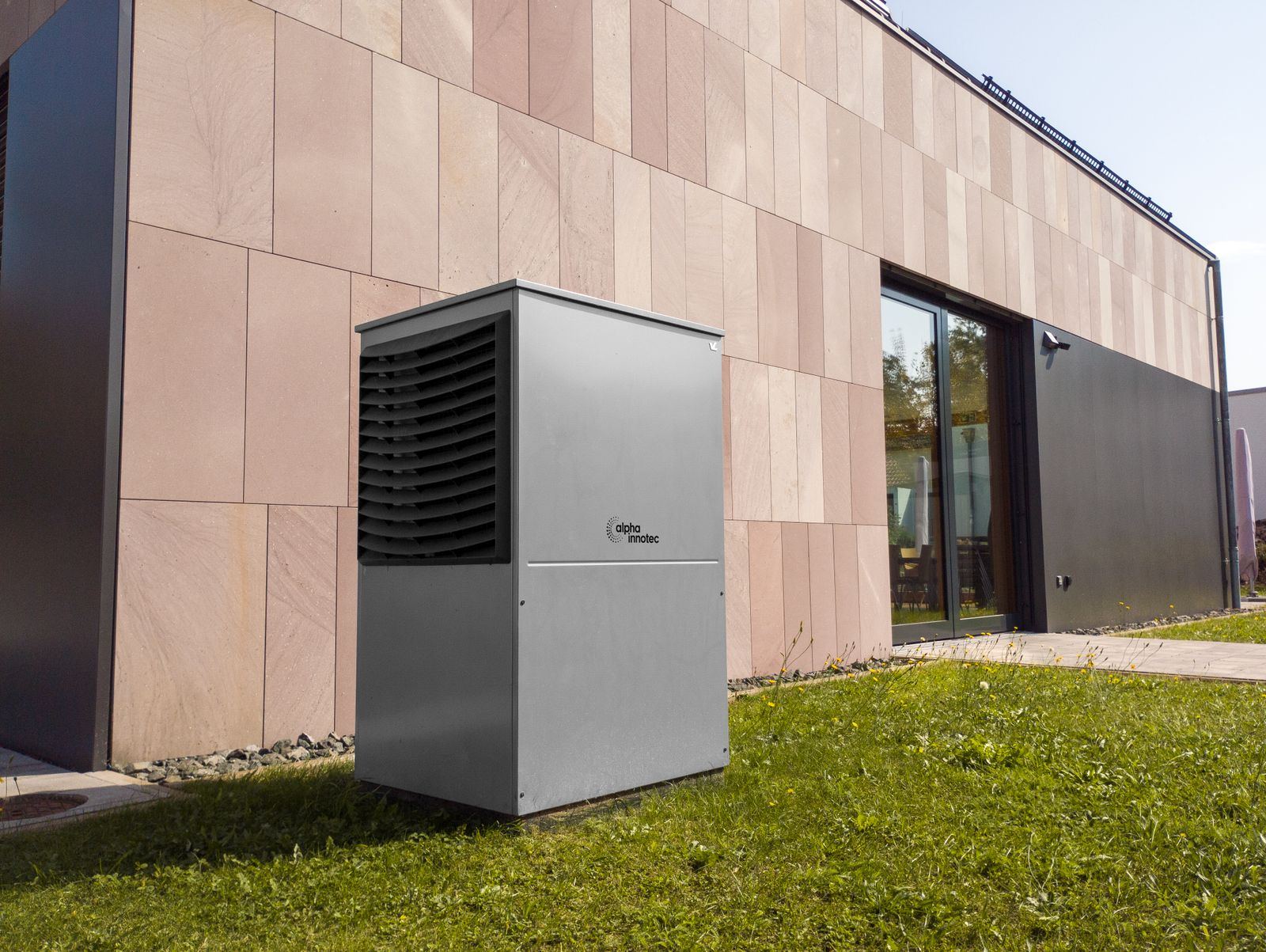
Signs You Need Heat Pump Water Heaters in Worcester
Most tanks announce trouble weeks or months ahead with rumbling noises, rusty water, or hot showers that keep getting shorter. These are the red flags our technicians see most often before a breakdown:
- Rooftop solar that pairs well with efficient electric appliances
- A hot garage in summer that pulls heat the unit can put to use
- Interest in utility rebates or federal tax credits for efficient equipment
- Humidity problems in the space where the water heater sits
- High electric bills in a household that uses a lot of hot water
- An aging electric water heater you want to replace before it fails
- Open space around the current water heater, such as a basement or garage
- An electrical setup already sized for an electric tank
Act Before It Gets Worse
Tanks rarely fail all at once. They corrode from the inside for months, and the warning signs show up long before the floor gets wet. Call Worcester Water Heater at (508) 204-2069 at the first sign of trouble.
Frequently Asked Questions About Heat Pump Water Heaters
Why Hire a Professional for Heat Pump Water Heaters?
Installing a heat pump water heater is not the same job as swapping a tank. It is a plumbing appliance, an electrical appliance, and a small refrigeration system at once. The plumbing has to include a relief valve line to an approved spot and an expansion tank when the system is closed. The circuit has to meet the manufacturer's requirements, which may differ from the tank it replaces. And the room has to supply enough air, or the compressor starves and the unit quietly leans on its elements. This is the mistake we see most, and it turns an efficient appliance into an expensive standard heater.
Then there is the physical work. A filled 65 or 80 gallon tank is very heavy, the unit is taller than most standard heaters, and condensate needs a route that will not overflow onto a finished floor. Switching from gas adds capping the gas line, removing or sealing the old vent, and running new power. Refrigerant repairs on the sealed system call for specific training and recovery equipment. Our experienced technicians plan all of it from the first visit, set up the modes before they leave, and give you the product details you need for any rebate or tax credit paperwork, while leaving eligibility decisions to the program itself.
Step by Step: How a Visit Works
Our workflow is simple and thorough, so nothing gets missed between the fuel supply and the relief line. Here's exactly how a typical visit unfolds:
Room Assessment
The survey covers room volume, seasonal temperature, the condensate route, and electrical capacity, so we know whether the space works as is or needs ducting.
Model and Size Selection
Based on household size and peak demand, we recommend a tank capacity and model, often one size larger than your old tank to offset slower heat pump recovery.
Careful Installation
Water lines, the electrical circuit, T&P discharge piping, and a dependable condensate route are all installed and checked before the tank fills.
Settings and Testing
At the end of the visit, the unit is running, draining, and set to the right mode, and you know which setting to use when guests arrive.
Repair or Replace? Let's Figure It Out.
Tell us the age, fuel type, and symptoms, and we'll help you sort out the next step.
Call (508) 204-2069 NowPrevention Tips That Actually Help
A little routine care goes a long way toward keeping a water heater running well past its expected lifespan. Here's where to begin:
- Keep the space around the unit open and free of boxes, laundry, and stored clutter
- Clean the air filter on top of the unit every few months so the compressor can breathe
- Do not store solvents or run a dusty workshop right next to the unit
- Have the anode rod inspected every few years to protect the tank from corrosion
- Keep up with a yearly flush, since hybrids collect sediment like any tank
- Use vacation mode when you travel instead of leaving the tank at full temperature
- Check that condensate is reaching the drain and the pan stays dry
DIY vs. Professional Heat Pump Water Heaters
Some simple checks are fine to do yourself, but most water heater repairs benefit from professional tools, training, and experience. Consider the following comparison:
| Factor | Doing It Yourself | Professional Service |
|---|---|---|
| Placement | Space never measured | Air volume checked, ducting planned if needed |
| Electrical | Old tank wiring assumed to be fine | Circuit matched to the nameplate |
| Drainage | Pump skipped where one is needed | Pan and drain line installed together |
| Sizing | No thought to slower recovery | Often upsized to keep elements idle |
| Operating Mode | Stuck in electric mode | Controls explained before we leave |
| Safety Details | Relief valve line and expansion tank overlooked | Code items addressed where required |
Get Heat Pump Water Heaters Help Today
The sooner you call, the sooner the hot water is back. Reach Worcester Water Heater for fast service.
Tap to Call (508) 204-2069Heat Pump Water Heaters Near Worcester
Our service area reaches well past the city limits. Choose your community for local details.